
Women’s Day marks a historic moment in South Africa when over 15,000 women in 1956 marched to the Union Buildings to petition against the passage of laws that violated basic human rights.
Ipas Africa-Southern Region conducted a research study to determine the magnitude of unsafe abortions in the country, uncovering concerning statistics that highlight the urgent need for comprehensive reproductive health services, writes Meclina Chirwa.
Climate change is hitting Malawi hard. In recent years, torrential rains, destructive winds and mudslides brought on by a series of cyclones have had a devastating impact on the country’s people and its agriculture-based economy.
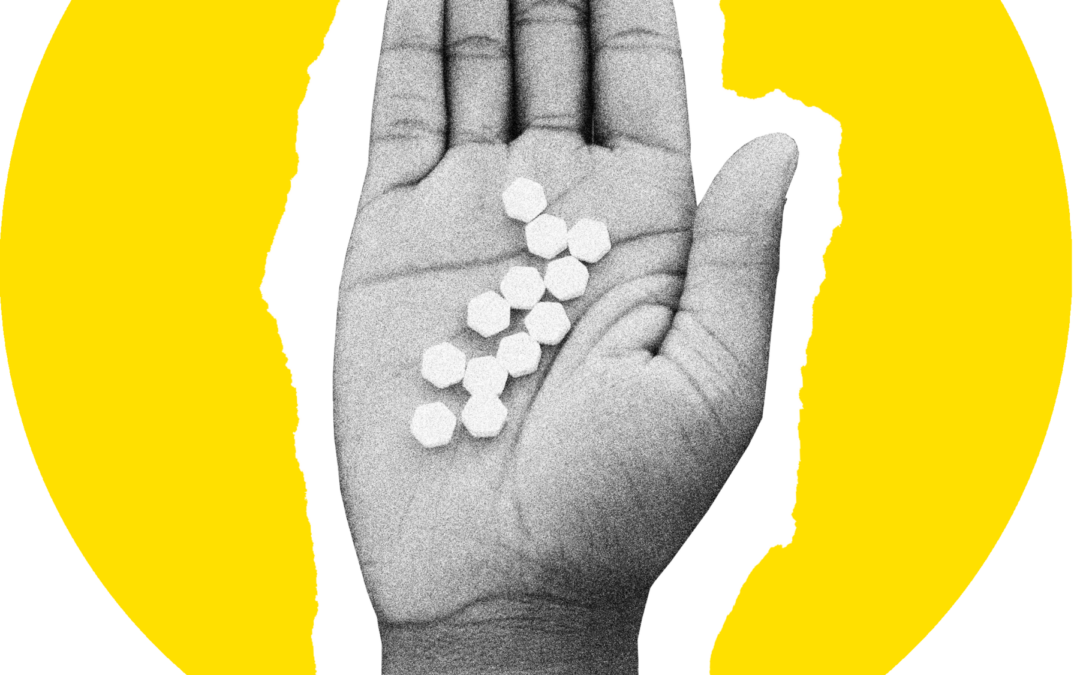
Victoria Satchwell was desperate when she called the fifth pharmacist asking them to dispense abortion pills for an almost 10-week pregnant client. The woman is a 19-year-old rape victim living in Vredefort, a small farming town in the Free State.
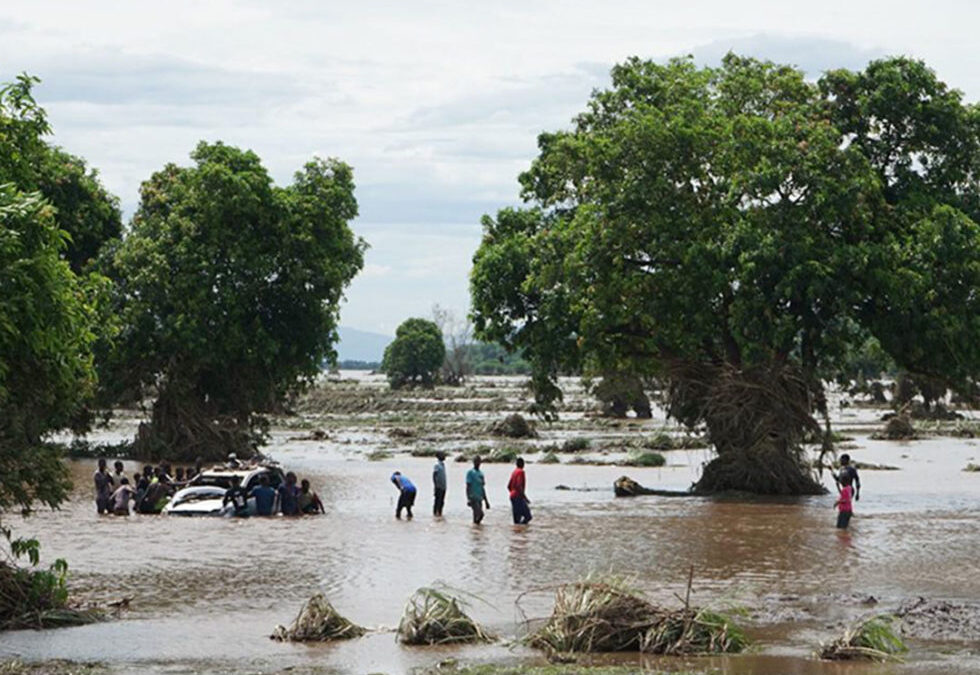
In the wake of tropical cyclone Ana, which has killed more than 80 people in Southern Africa, Ipas teams in Malawi, Mozambique and Zambia are preparing a coordinated response to ensure that reproductive health care, including access to postabortion care and contraception, remains available to women and girls affected by the storm.

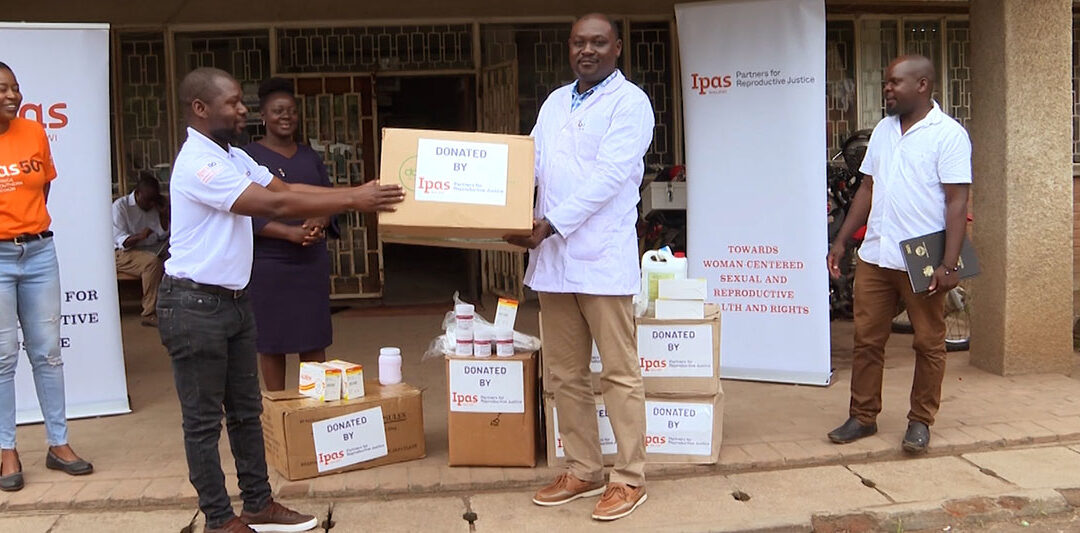
As part of its ongoing effort to safeguard sexual and reproductive health services during the COVID-19 crisis, Ipas Malawi has made a second donation of essential health commodities to the Ministry of Health.
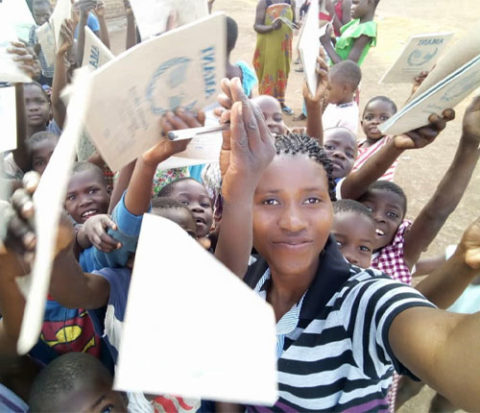
Tisungane Sitima was one of the first students in the gender and development program at Lilongwe University of Agriculture and Natural Resources in Malawi—an experience that set her on the path to becoming a champion of sexual and reproductive rights.
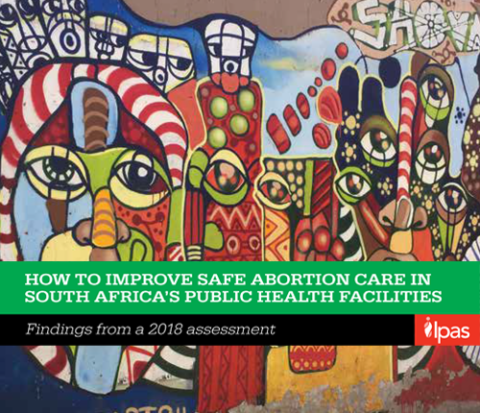
Despite the fact that abortion is legal in South Africa under a range of circumstances and available in public health facilities throughout the country, many women and girls continue to seek clandestine, unsafe abortions that put their health and lives at risk.
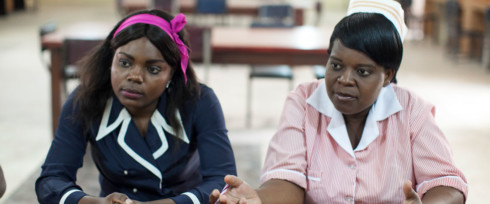
Abortion is legal in Zambia, but as the authors of a new study note, “the reality is far more complicated.” Very few women know they have the right to have an abortion or know where to seek this care. Unsafe abortions have caused unnecessary deaths in Zambia, even among women who have the right to a safe and legal abortion.