
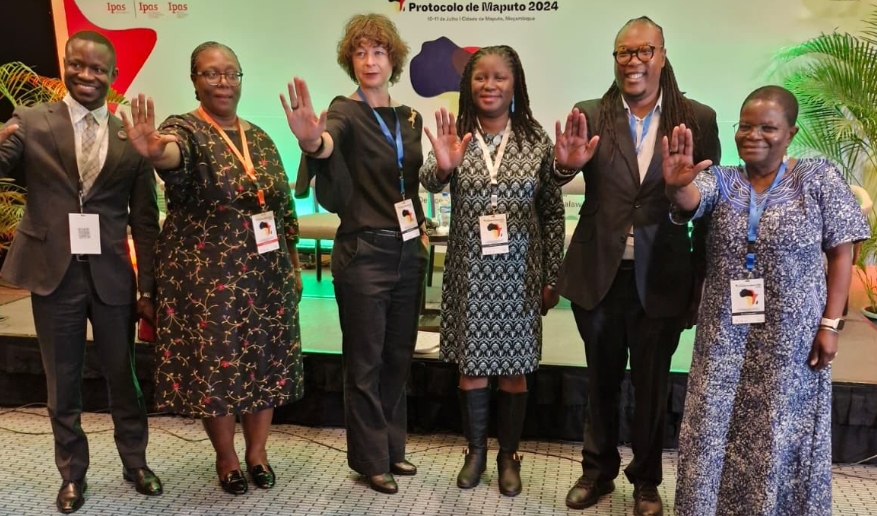
Ipas teams from Mozambique, Africa Southern Region, DRC hosted the 21st Anniversary Conference of the Maputo Protocol in Mozambique 10th and 11th July 2024.
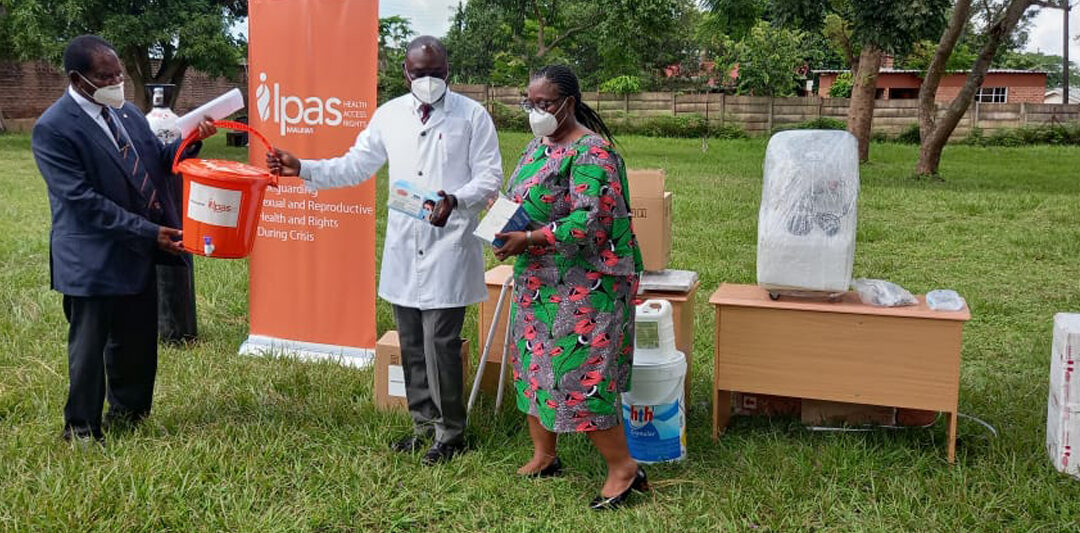
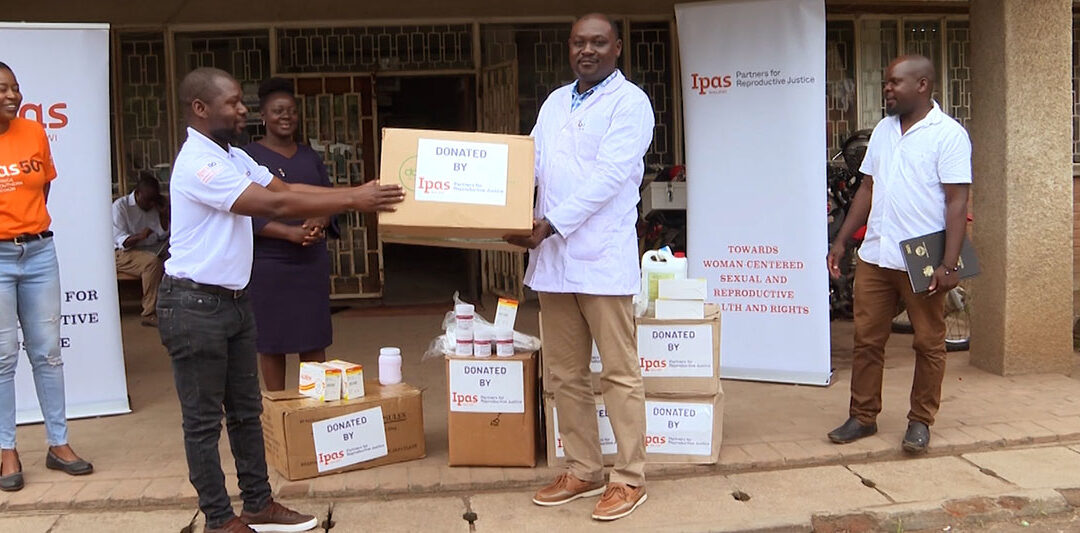
As part of its ongoing effort to safeguard sexual and reproductive health services during the COVID-19 crisis, Ipas Malawi has made a second donation of essential health commodities to the Ministry of Health.
In the wake of tropical cyclone Ana, which has killed more than 80 people in Southern Africa, Ipas teams in Malawi, Mozambique and Zambia are preparing a coordinated response to ensure that reproductive health care, including access to postabortion care and contraception, remains available to women and girls affected by the storm.
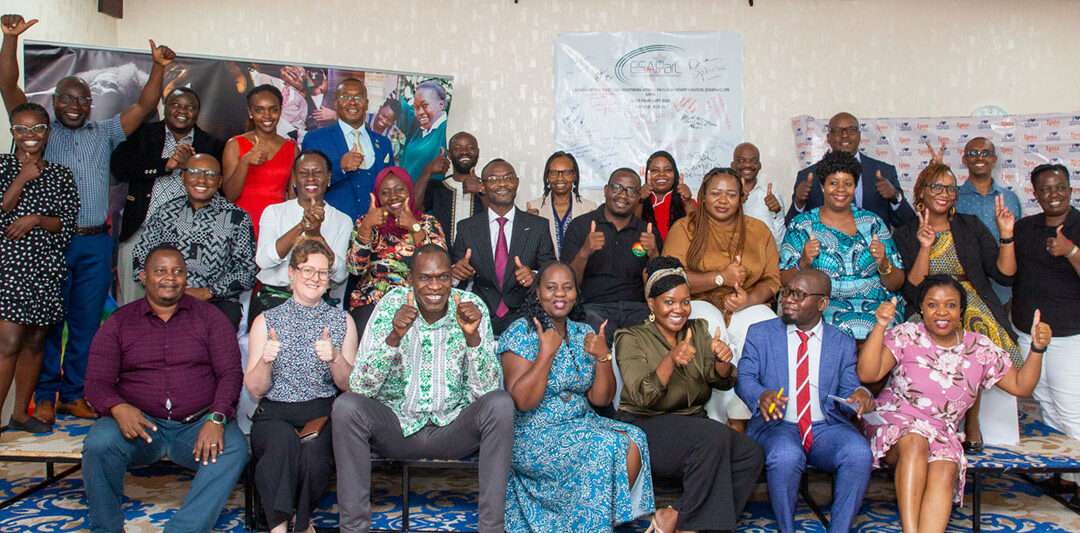
In a landmark development for the Eastern and Southern African region, parliamentarians from diverse backgrounds and countries have united under the banner of the Eastern and Southern Africa Parliamentary Caucus on Sexual Reproductive Health and Rights (ESAParc).
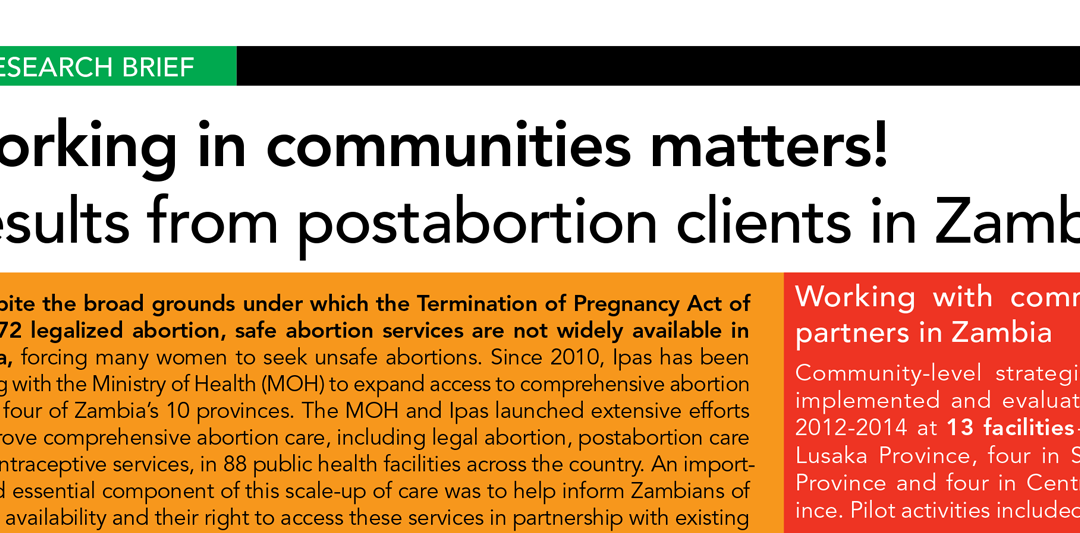
This two-page research brief looks at the results of client exit interviews conducted in 2014 with 616 Zambian women who sought a safe and legal pregnancy termination. The interviews explored issues of quality, service delivery and information dissemination as perceived by the women themselves—a perspective often neglected in reproductive health.
Women and girls are disproportionately affected by climate disasters such as Cyclone Freddy—and new research by Ipas shows that the time immediately before, during and after extreme weather events is when access to care for contraception, pregnancy and abortion is most compromised.
Ipas Africa Southern Region (ASR) joined the world to commemorate the International Day of the Girl Child reflecting on this year’s theme: Invest in Girls’ Rights: Our Leadership, Our Well-being.
Ipas Africa Southern Region (ASR) joined the world to commemorate the International Day of the Girl Child reflecting on this year’s theme: Invest in Girls’ Rights: Our Leadership, Our Well-being.
Ipas Africa Southern Region (ASR) joins South Africa in commemorating 2023 Women’s Day running under the theme “Accelerating socio-economic opportunities for women empowerment.